From full commercial building surveys to dilapidations reports, schedule of condition, measured surveys and technical due diligence — we offer every service a commercial property owner, landlord or tenant could need. All delivered by RICS-accredited surveyors, at a fixed price, within 5 working days.
The most comprehensive assessment of a commercial property's condition — essential for buyers, sellers and investors who need to know exactly what they're getting.
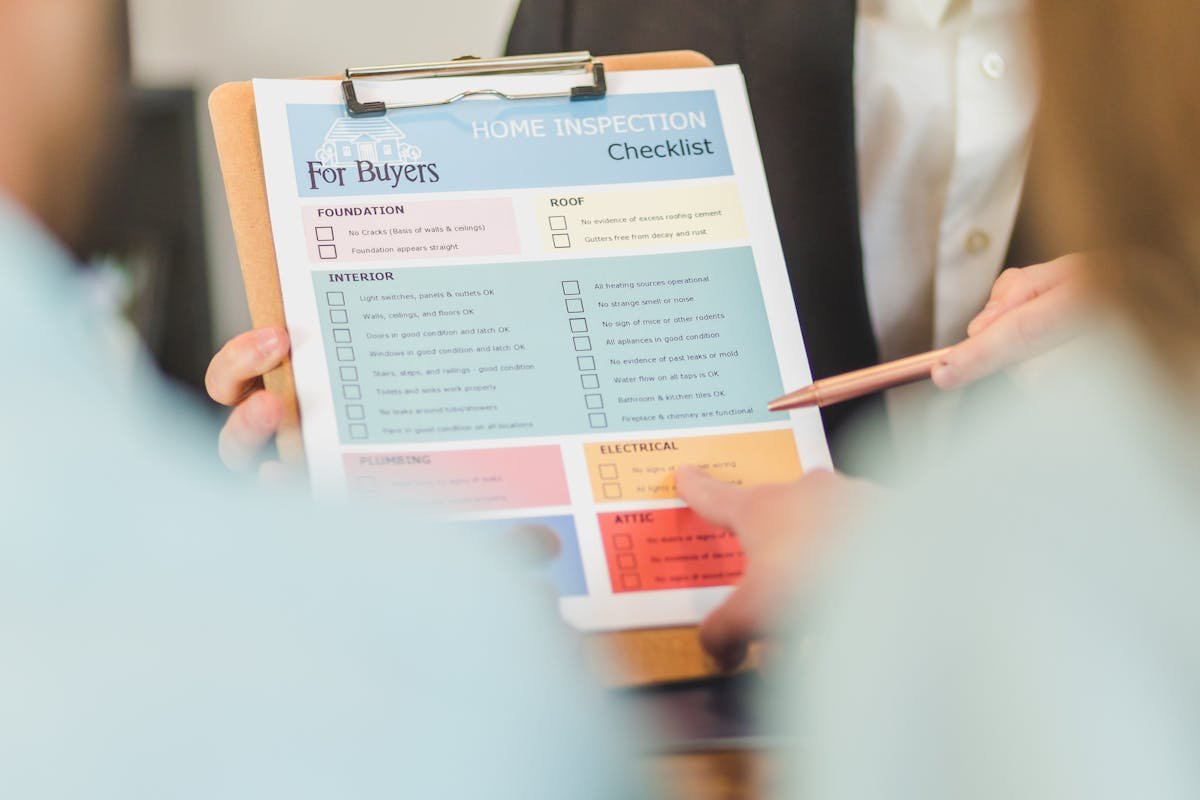
A commercial building survey (sometimes called a full structural survey) is a detailed, professional inspection of a commercial property. Our building surveyor physically inspects all accessible areas of the building — from roof to foundations — assessing the structural integrity, the fabric of the building, and the condition of all internal and external elements.
Unlike a basic valuation survey, a commercial building survey gives you a thorough understanding of the property's current condition, highlights any defects or potential liabilities, and provides costed recommendations so you know exactly what you'd be taking on.
This service is essential for anyone buying a commercial property, refinancing, or making a significant investment decision. It's also valuable for commercial property owners who want a comprehensive understanding of their building's condition and maintenance requirements.
Get a Quote for This Service"I carried out a commercial building survey on a warehouse in Manchester for an investor client who was convinced it was a bargain. When I opened the roof hatch, I could see daylight through the felt. The structural steelwork showed significant corrosion. The electrics hadn't been touched since the 1980s. Without that survey, my client would have committed to a £400,000 purchase and then spent double that trying to fix it. That's why I believe every commercial property buyer should have a full building survey — no exceptions."

Whether you're a landlord preparing a terminal schedule of dilapidations or a tenant facing a claim you believe is excessive — we provide expert, independent dilapidations advice.
Dilapidations are one of the most contentious areas of commercial property law. At the end of a commercial lease, landlords have the right to claim against tenants for any breaches of their repairing, decorating or reinstatement obligations. These claims can run into hundreds of thousands of pounds — often far more than the actual cost of the works.
Our dilapidations service covers both sides of the landlord–tenant relationship. We prepare terminal schedules of dilapidations for landlords, carry out detailed dilapidations surveys to quantify liability, and prepare counter-schedules and diminution valuations for tenants who believe a claim has been overstated.
Average reduction we achieve on dilapidations claims for tenant clients
"A retail tenant came to us after receiving a terminal dilapidations schedule from their landlord claiming £340,000. That figure seemed staggering for a mid-sized retail unit. We prepared a detailed counter-schedule, challenged several items that weren't covered by the lease, applied a Section 18(1) diminution valuation, and negotiated hard on the costing. The final settlement was £89,000 — a saving of £251,000 for our client. They were utterly gobsmacked. This is why I love this work."
Protect yourself before you sign a commercial lease. A schedule of condition is the most important document a commercial tenant can have — and one of the most frequently overlooked.
A schedule of condition is a detailed, photographic and written record of the condition of a commercial property at the start of a lease. It is attached to the lease and limits the tenant's repairing liability — they cannot be held responsible at lease-end for defects that already existed when they moved in.
Without a schedule of condition, a commercial tenant can be held liable for the full cost of repairing a building to a state it was never in when they occupied it. This is not a theoretical risk — it happens every day, across every sector of the commercial property market.
A schedule of condition typically costs between £500 and £2,000 depending on property size — but can save tenants tens or even hundreds of thousands of pounds at lease end. It is, without question, the most cost-effective protection available to commercial tenants.
Accurate floor plans, elevations and sections of commercial properties — essential for refurbishment projects, planning applications, lettings and sale particulars.
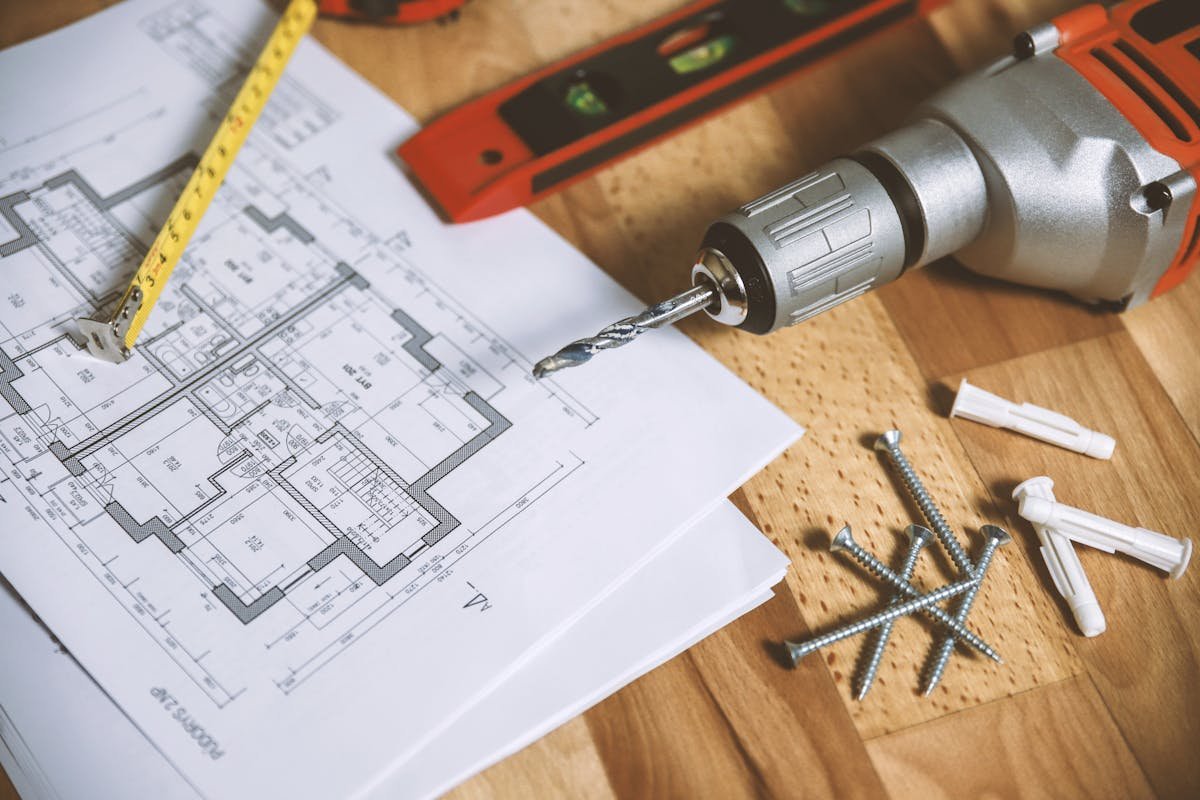
A measured survey produces accurate dimensional drawings of a commercial property. Whether you need simple floor plans for marketing purposes, detailed CAD drawings for a refurbishment project, or 3D point cloud data for complex developments — our measured survey team delivers with precision.
We use the latest laser scanning technology and total station surveying equipment to capture accurate measurements quickly and with minimal disruption to building occupants. Our CAD technician then produces drawings to the format and scale you need, in AutoCAD, PDF or other specified formats.
Architects, designers, developers, landlords, agents and tenants all regularly commission measured surveys. Common triggers include planning applications, fit-out and refurbishment works, lettings, sales, dilapidations assessments and lease renewals.
Request a Measured Survey Quote
Before completing a commercial property transaction, our technical due diligence service gives investors, purchasers and lenders a comprehensive view of a property's condition, risk and compliance.
Technical due diligence (TDD) goes beyond a standard building survey. It is a structured, risk-focused assessment designed to support investment decisions, fund drawdowns and commercial property acquisitions. Our TDD reports are prepared to international standards and are accepted by major institutional investors and lenders.
We assess not just the physical condition of the building, but also its statutory compliance, environmental risk, energy performance, planned capital expenditure requirements and any factors that could affect the investment's value or risk profile.
Stop reacting to building emergencies. Start planning for them. Our planned preventative maintenance service helps commercial property owners budget effectively and keep buildings in top condition.
A planned preventative maintenance (PPM) programme is a forward-looking schedule of anticipated maintenance works for a commercial property or portfolio, typically covering a 5 or 10-year period. It allows property owners to budget accurately, avoid emergency repairs, and maintain the value and condition of their assets.
Our PPM surveys are thorough, practical and written by building surveyors who understand both the technical and financial realities of commercial property management. We don't just list everything that needs doing — we prioritise works by urgency and impact, so you always know where to focus your maintenance budget first.
Ideal for commercial landlords, property management companies, pension funds, local authorities and occupiers managing their own premises.
Request a PPM Survey Quote
We believe in fixed-price, transparent quotes with no hidden charges. Here's a general guide to our pricing — every instruction is individually quoted based on property size, type and location.
Dependent on property size, age and complexity. Includes full written report with photographs and prioritised repair recommendations.
Get a Fixed QuoteFor landlord schedules or tenant counter-schedules. Price depends on property size, lease complexity and level of dilapidations involved.
Get a Fixed QuotePhotographic and written record of property condition at lease commencement. The best value protection available to any commercial tenant.
Get a Fixed QuoteFloor plans, elevations and sections to RICS standard. CAD drawings supplied in AutoCAD and PDF. Price based on building size and drawing scope.
Get a Fixed QuoteComprehensive TDD report for commercial property acquisitions. Covers condition, compliance, CapEx forecasting and risk summary.
Get a Fixed Quote5 or 10-year maintenance schedule with annual cost forecasts. Ideal for portfolios, multi-unit developments and commercial property managers.
Get a Fixed QuoteAll prices are indicative guides only. Every instruction is individually quoted. Contact us for an accurate, fixed-price quote for your specific property.
A building survey assesses the physical condition of the property — its structure, fabric, defects and repair needs. A valuation assesses the market value of the property. They are completely different exercises carried out by different types of surveyor.
A mortgage lender's valuation does not protect the buyer — it only protects the lender. As a commercial property buyer, you should always commission your own independent building survey alongside any valuation obtained by a lender.
In most cases, we can arrange a site inspection within 5–7 working days of instruction. For urgent commercial property transactions, we offer an expedited service with inspections within 48 hours and reports within 72 hours of the inspection. Please contact us to discuss your timescales.
Yes. Our team regularly surveys all types of commercial and industrial buildings, including office buildings, retail units, industrial units and warehouses, leisure facilities, mixed-use developments, schools and educational buildings, healthcare premises, and historic and listed buildings.
A dilapidations survey typically costs between £850 and £3,500, depending on the property size and complexity of the claim. For tenants, the return on investment is almost always exceptional — our average saving on tenant dilapidations claims is 60% of the original landlord schedule. Even on a modest claim of £50,000, that's a saving of £30,000 from an outlay of under £2,000.
Absolutely. We regularly act for both landlords and tenants in ongoing dilapidations disputes. We can prepare or review schedules, carry out site assessments, provide expert opinion on costings, and act as expert witnesses in RICS dispute resolution procedures or Court proceedings. Contact us to discuss your situation.