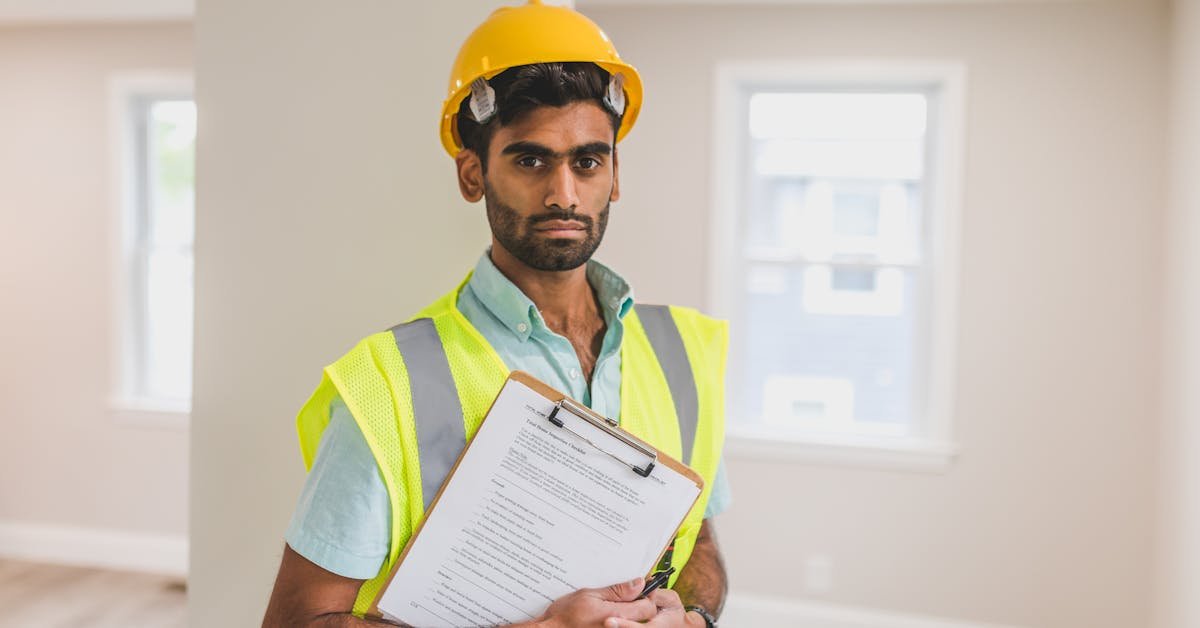
When you see "RICS accredited surveyor" on a website, what does it actually mean — and does it genuinely matter? As a founder who spent a decade at one of the UK's largest surveying firms before setting up independently, I can tell you exactly what professional accreditation means in practice — and why it should be your first question when choosing a commercial surveyor.
What Is RICS?
RICS — the Royal Institution of Chartered Surveyors — is the world's leading professional body for qualifications and standards in land, property, infrastructure and construction. Founded in 1868, it now has over 134,000 qualified professionals and 50,000 trainees across 147 countries.
In the UK commercial property sector, RICS is the benchmark for professional standards. When a surveyor holds MRICS (Member of the Royal Institution of Chartered Surveyors) or FRICS (Fellow) status, it means they have:
- Completed a recognised academic qualification in surveying
- Completed at minimum two years of structured practical experience
- Passed the RICS Assessment of Professional Competence (APC)
- Demonstrated competence in their chosen specialism
- Committed to ongoing Continuing Professional Development (CPD)
- Agreed to abide by the RICS Rules of Conduct
That last point matters enormously. The RICS Rules of Conduct require members to act with integrity, provide objective advice and maintain professional independence. A RICS member who produces a dishonest or incompetent survey report faces disciplinary action — including loss of membership.
What Does RICS Regulated Firm Status Mean?
Beyond individual membership, RICS offers Regulated Firm status to surveying practices. A RICS Regulated Firm has undergone a quality assurance review and must:
- Be led by a qualified RICS member
- Carry adequate professional indemnity insurance
- Operate effective client money handling procedures
- Have a complaints handling procedure that includes access to RICS dispute resolution
This firm-level regulation means that clients of RICS Regulated Firms have access to RICS's independent dispute resolution service and can seek redress through RICS if things go wrong — a significant additional layer of protection.
What Is CIOB and What Does CIOB Accreditation Mean?
The Chartered Institute of Building (CIOB) is the world's largest and most influential professional body for construction management and leadership. CIOB-accredited surveyors and building professionals (who hold MCIOB or FCIOB status) have demonstrated competence in the technical and management aspects of the built environment.
For commercial building surveys, CIOB accreditation is particularly relevant for surveyors working on complex structural assessments, defect investigations and building pathology — areas where deep technical construction knowledge is essential. A surveyor with CIOB membership brings a construction-focused perspective to building condition assessments that complements the property-focused perspective of RICS.
What Is RPSA?
The Residential Property Surveyors Association (RPSA) is a professional body for residential surveyors in England and Wales. While primarily focused on residential survey standards, RPSA members who also operate in the commercial sector bring the same commitment to independent, client-focused surveying that RPSA demands of its members.
Why Does Accreditation Matter in Practice?
Let me be direct about something I've seen throughout my career: not everyone who calls themselves a "building surveyor" is qualified, insured or regulated. In the UK, the title "building surveyor" is not legally protected — anyone can use it without any qualifications whatsoever.
This creates a real risk for commercial property buyers, landlords and tenants who unknowingly instruct unqualified operators. I've reviewed surveys produced by unqualified "surveyors" that missed major structural defects, failed to identify asbestos, and gave wildly inaccurate cost estimates. The consequences for the clients were severe.
With a RICS-accredited surveyor, you have:
- Guaranteed minimum competency: MRICS is not a certificate you buy — it is a rigorous assessment of professional competence that requires years of structured experience.
- Professional indemnity insurance: RICS members must carry PI insurance. If your surveyor misses something serious, you have recourse. An unqualified operator may have no insurance whatsoever.
- Regulatory oversight: RICS members are subject to the Rules of Conduct and can face disciplinary action for incompetence or dishonesty. Unqualified operators have no such accountability.
- Dispute resolution access: If you're unhappy with a RICS member's work, you can refer the matter to RICS. This provides genuine, independent redress that no unregulated operator can offer.
- Ongoing CPD: RICS members must complete continuing professional development every year — so their knowledge stays current with changes in building regulations, case law, and surveying practice.
How to Verify a Surveyor's RICS Accreditation
Don't just take a surveyor's word for it — verify their membership. The RICS maintains a public searchable register of members at rics.org. You can search by name or company. If a surveyor claiming RICS membership isn't on the register, walk away.
Similarly, CIOB member status can be verified at ciob.org.
What Should You Look for Beyond Accreditation?
Accreditation is the baseline — the minimum standard. Beyond it, when choosing a commercial building surveyor, look for:
- Specialism in commercial property: Not all surveyors work across all property types. Make sure your surveyor has specific experience with commercial buildings — not just residential surveys.
- Experience with your specific property type: A surveyor who specialises in retail units may be less well-suited to a large industrial complex, and vice versa.
- Local knowledge: A surveyor who knows the local commercial property market will understand the context of what they find and give you better advice.
- References and reviews: Ask for references from similar clients. Read reviews. Look for evidence of genuine expertise, not just qualifications on a wall.
- Communication style: Your survey report is only useful if you can understand it. Look for a surveyor who communicates clearly and is willing to talk you through their findings.
Our Team's Accreditations
At My Commercial Building Surveyor, every member of our team holds active accreditation from at least one of the UK's leading professional bodies:
- Jonathan Hargreaves — MRICS, MCIOB
- Rebecca Thornton — MRICS
- Marcus Patel — FRICS, MCIOB
We are also a RICS Regulated Firm, which means all clients benefit from RICS oversight and have access to RICS dispute resolution if required. Our professional indemnity insurance exceeds the RICS minimum requirement.
Conclusion: Accreditation Is Not a Nice-to-Have — It's Essential
When you commission a commercial building survey, you are relying on that report to make decisions worth hundreds of thousands — or millions — of pounds. The qualifications, insurance and regulatory accountability of the surveyor behind that report are not peripheral concerns. They are central to whether you can trust what you read.
Always check accreditation. Always verify it. And never, ever instruct an unqualified surveyor to carry out a survey on a commercial property, regardless of how cheap they are. The cost of getting it wrong is immeasurable.
Contact My Commercial Building Surveyor for a free, no-obligation quote from our RICS, CIOB and RPSA accredited team. We respond within 2 working hours.